
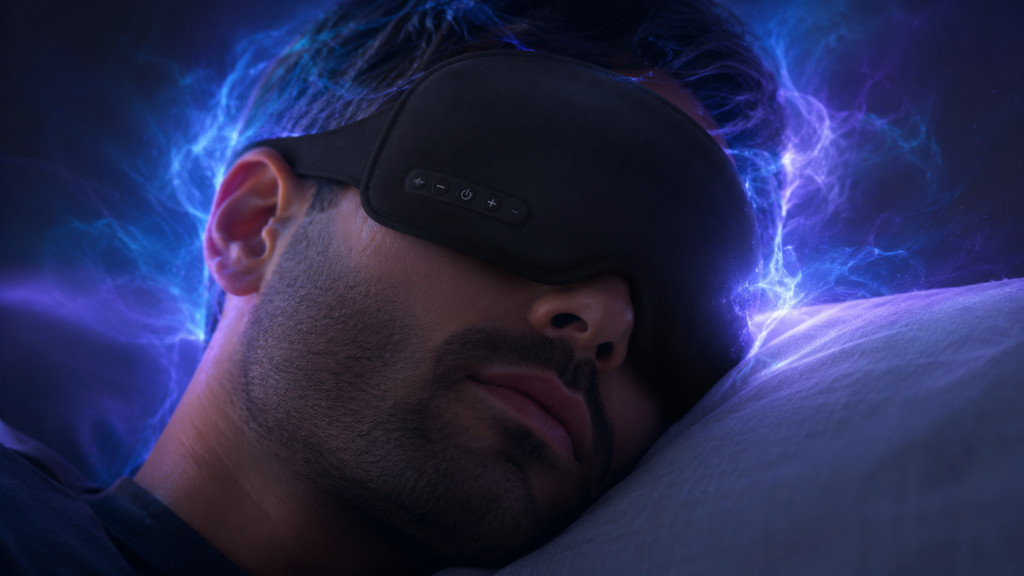
Feeling overwhelmed after a long day? The right soundtrack can slow your heart rate, quiet a racing mind, and help you focus in minutes. If you’ve been searching for the best music to relax, the truth is there isn’t one single answer — it depends on whether you want to sleep, study, or simply decompress. Here at GS Music Lessons, based in Sunshine Coast, we get asked this by students and music lovers all over Australia every week. In this guide, we break down the best music to relax by genre, what each one is really good for, the gear that helps it work even better, and how to build your own calming playlist.
Prefer a stress-relief angle with a 10-minute reset routine and research-backed genre breakdown? Read our companion guide: 5 Calming Music Genres for Stress Relief.
Table of Contents
Why the Best Music to Relax Actually Works
Not all calm-sounding music affects your body the same way. Tempo is one of the biggest factors — tracks around 60 to 80 beats per minute tend to mirror a resting heart rate, which can help your body settle into a slower rhythm. Lyrics matter too: for focus or sleep, instrumental tracks usually work better because your brain doesn’t have to process language in the background. Instrumentation, volume consistency, and even the predictability of a song’s structure all play a part in whether music actually relaxes you or just sounds pleasant.
7 Relaxing Music Genres to Unwind, Focus, and Sleep
1. Classical & Solo Piano
Classical and solo piano pieces are a long-standing favourite for relaxation because they’re almost always instrumental, dynamically gentle, and structured in a way that feels familiar even on first listen. Composers like Chopin and Debussy, along with contemporary pianists such as Ludovico Einaudi and Yiruma, are popular starting points. If a piece like this inspires you to play it yourself one day, our guide to the best beginner digital pianos is a good place to start.
- Best for: studying, deep work, evening wind-down
- Pros: no lyrics, widely available, timeless
- Cons: can feel too formal or emotional for some listeners
2. Lo-Fi & Chillhop
Lo-fi and chillhop built their popularity on looping “study beats” streams — soft drum patterns, mellow chords, and a warm, slightly imperfect vinyl-style texture. It’s less structured than classical music, which makes it easy to leave running in the background without it demanding your attention.
- Best for: studying, working, light background listening
- Pros: repetitive and unobtrusive, huge free catalogue online
- Cons: can feel monotonous over long sessions
3. Ambient & Atmospheric
Ambient music trades melody and rhythm for slow-moving textures and drones. Pioneered by artists like Brian Eno, this genre is designed to sit in the background rather than be actively listened to, which makes it especially effective for meditation or sleep.
- Best for: meditation, falling asleep, anxiety relief
- Pros: minimal distraction, very calming
- Cons: can feel directionless if you prefer melody
4. Nature Sounds & Soundscapes
Rain, ocean waves, forest ambience, and white or brown noise all fall into this category. Because these sounds aren’t musical in the traditional sense, they rarely trigger the part of your brain that analyses melody or lyrics, which is why so many people use them specifically for sleep.
- Best for: sleep, blocking out background noise, newborns/naps
- Pros: non-distracting, works well layered with other genres
- Cons: not “music” in the traditional sense, can feel repetitive
5. Smooth & Cool Jazz
Smooth and cool jazz offer a bit more warmth and personality than ambient or lo-fi, with soft saxophone, brushed drums, and relaxed piano lines. It works well for unwinding in the evening without feeling as sparse as purely ambient music.
- Best for: dinner, evening relaxation, light social settings
- Pros: warm and expressive, good middle ground
- Cons: occasional brass or vocals can break concentration
6. Binaural Beats & Frequency-Based Music
Binaural beats play two slightly different tones in each ear, and some listeners find the resulting effect helps them settle into a calmer state, particularly during focus or sleep sessions. Research on the topic is still developing, so it’s worth treating this genre as a personal experiment rather than a guaranteed fix.
- Best for: focus sessions, sleep, guided relaxation
- Pros: designed specifically for mental states
- Cons: requires headphones, effect varies by listener
7. Acoustic & Instrumental Folk
Fingerpicked guitar, soft strings, and gentle instrumental folk arrangements offer a warmer, more organic alternative to electronic or ambient genres. It’s a good choice for anyone who finds fully atmospheric music too sparse but still wants something soothing.
- Best for: reading, gentle mornings, casual background listening
- Pros: organic and warm, widely accessible
- Cons: occasional vocal tracks can be distracting
Comparison: Which Relaxing Music Genre Fits Your Goal?
| Genre | Best For | Energy Level | Good for Sleep? |
|---|---|---|---|
| Classical & Piano | Studying, focus | Low-Medium | Yes |
| Lo-Fi & Chillhop | Working, studying | Low-Medium | Somewhat |
| Ambient | Meditation, anxiety relief | Very Low | Yes |
| Nature Sounds | Sleep, blocking noise | Very Low | Yes |
| Smooth Jazz | Evening wind-down | Medium | Somewhat |
| Binaural Beats | Focus, guided relaxation | Low | Yes |
| Acoustic Folk | Reading, mornings | Medium | Somewhat |
How to Build a Relaxing Music Playlist That Actually Works
- Match tempo to your goal: slower tracks (60-80 BPM) for sleep or focus, slightly livelier ones for gentle relaxation.
- Skip the lyrics for deep focus: instrumental tracks reduce the mental load of processing language.
- Layer genres: try nature sounds underneath ambient or piano music for extra depth.
- Keep it consistent for sleep: using the same playlist nightly helps your brain associate it with winding down.
- Watch the volume: relaxing music should sit quietly in the background, not compete for attention.
Recommended Gear to Enjoy Relaxing Music at Home
The right gear can make a bigger difference than the playlist itself. Here are three types of equipment worth considering if you want to get more out of your relaxing music routine.
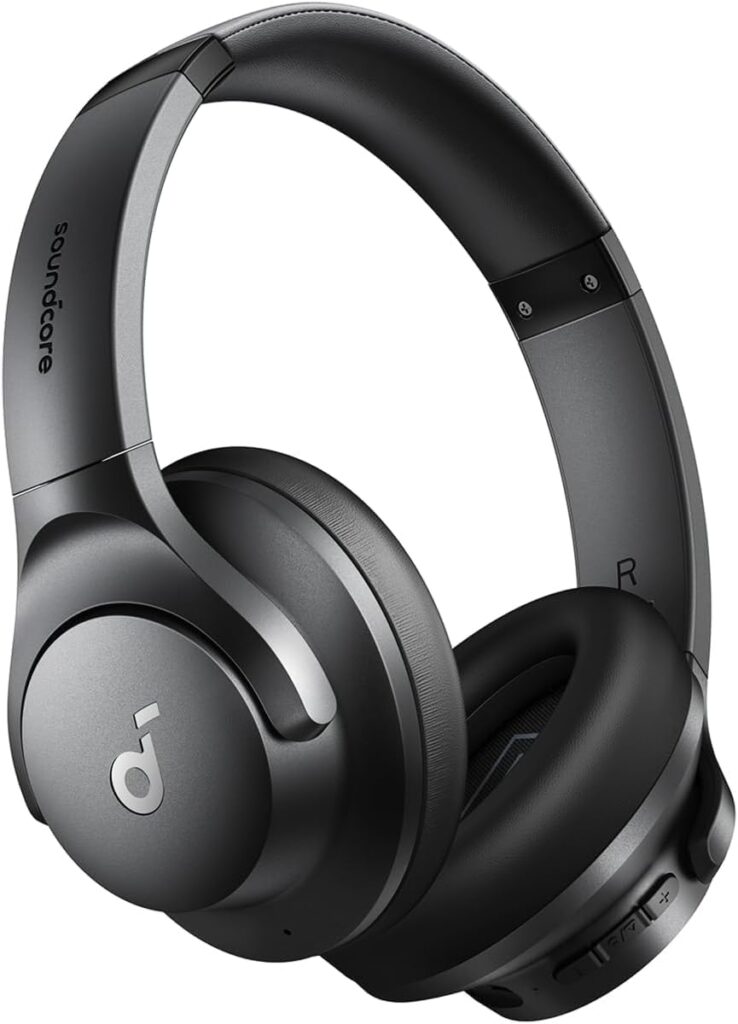
Noise-Cancelling Headphones
A solid pair of noise-cancelling headphones blocks out household or street noise so quieter genres like ambient and solo piano can actually be heard properly, without needing to turn the volume up. They’re also the best option for binaural beats, which rely on stereo separation to work.
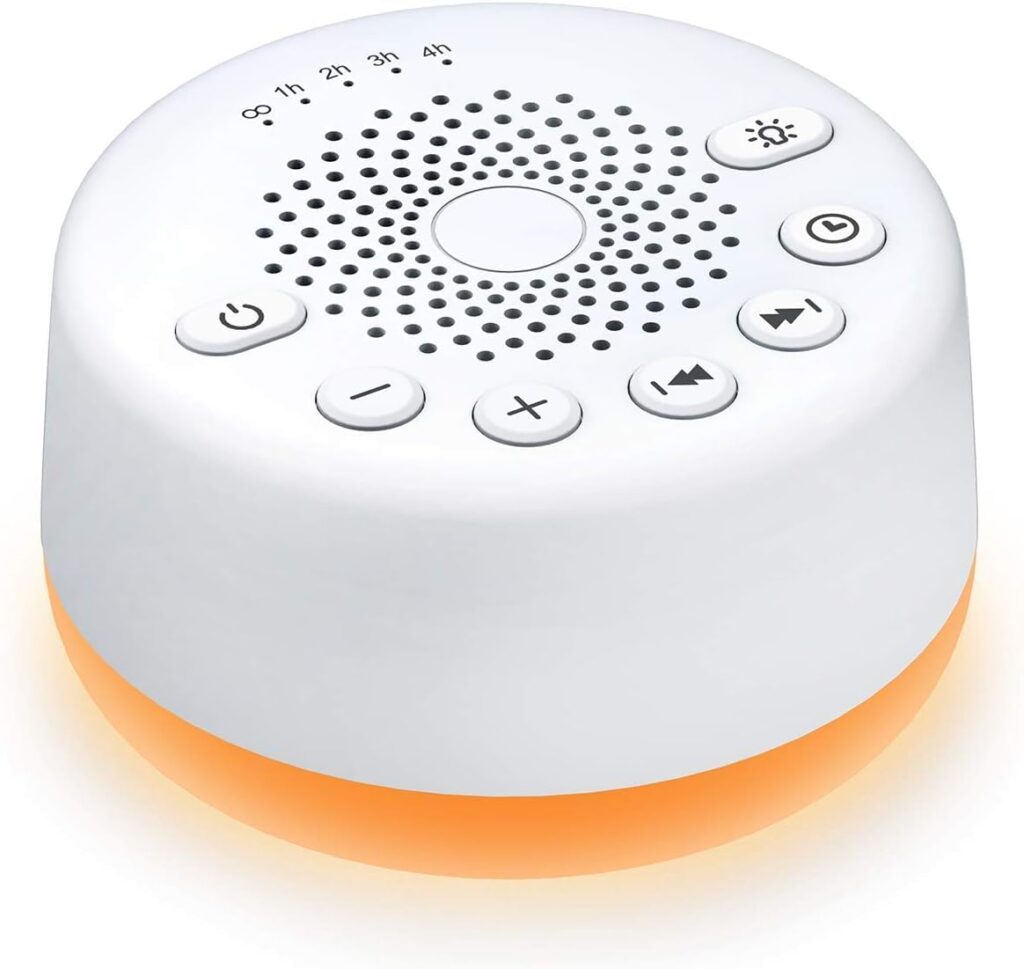
White Noise / Sound Machine
A dedicated sound machine is a simple way to layer consistent nature sounds or white noise under your relaxing music, especially at bedtime. Unlike a phone app, it won’t interrupt your sleep with notifications.
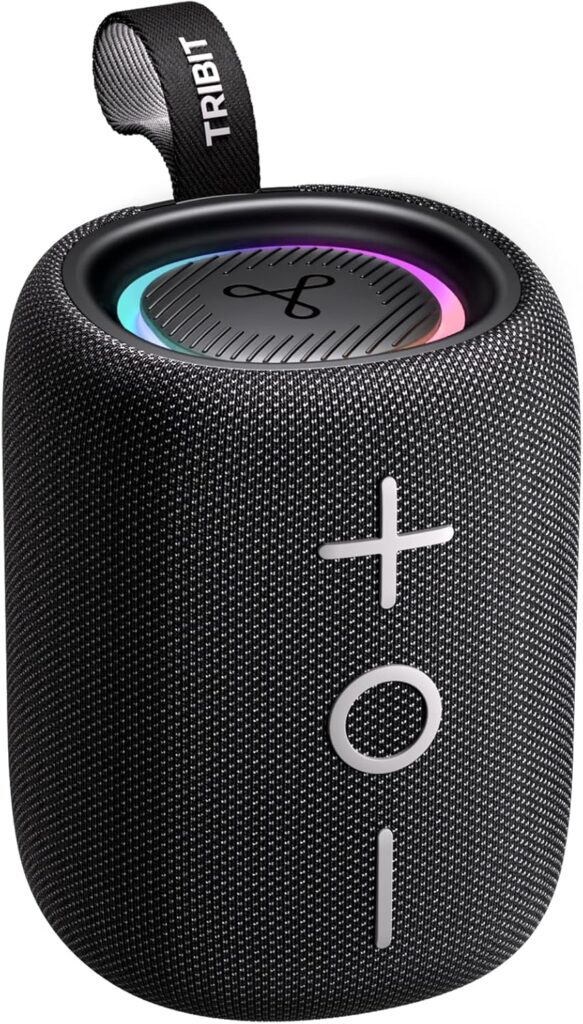
Compact Bluetooth Speaker
For relaxing at home without headphones, a small Bluetooth speaker fills the room with warm, even sound — ideal for smooth jazz or acoustic folk while you read, cook, or wind down in the evening.
Relaxing Music vs. Music Therapy Classes: What’s the Difference?
It’s worth separating casual listening from music therapy classes. Listening to relaxing music at home is a self-guided habit — there’s no wrong way to do it, and the goal is simply to feel calmer. Music therapy, on the other hand, is a structured clinical practice led by a credentialed music therapist, often used to support specific emotional, cognitive, or physical goals such as anxiety management, rehabilitation, or stress-related conditions. If you’re dealing with something more specific than everyday stress, it’s worth looking into a certified music therapist in your area rather than relying on playlists alone.
If you’re in Noosa or along the Sunshine Coast and want structured, one-on-one guidance rather than a casual playlist, you can book a free trial lesson with one of our teachers to get started.
FAQ: Common Questions About the Best Music to Relax
What is the best music to relax?
There isn’t a single “best” genre — it depends on your goal. Classical and solo piano work well for focus, ambient and nature sounds are strongest for sleep, and lo-fi is a solid all-rounder for background listening while you work.
What are the best calm music genres for sleep?
Ambient music, nature soundscapes, and slow solo piano are generally the most effective for sleep, since they avoid lyrics and sudden changes in volume or tempo.
Are lo-fi and chill music the same genre?
They overlap heavily but aren’t identical. “Chill” is a broad mood label that can include ambient, acoustic, or downtempo electronic music, while lo-fi specifically refers to the looped, slightly imperfect production style popularised by study-beat playlists.
Are music therapy classes the same as listening to relaxing music at home?
No. Music therapy is a guided clinical practice led by a trained professional working toward specific goals, while listening to relaxing music at home is an informal, self-directed habit for everyday stress relief.
Final Thoughts on Finding the Best Music to Relax
The best music to relax is really whichever genre matches what you need in the moment — calm piano for focus, ambient textures for sleep, or smooth jazz for winding down in the evening. Experiment with a few of the genres above, pair them with the right gear, and pay attention to how your body responds; that’s the fastest way to build a playlist that actually works for you. And if calm piano music inspires you to start playing rather than just listening, take a look at our beginner digital piano guide or explore our piano lessons in Noosa to get started.
Ready to make your own calming music instead of just listening to it?