
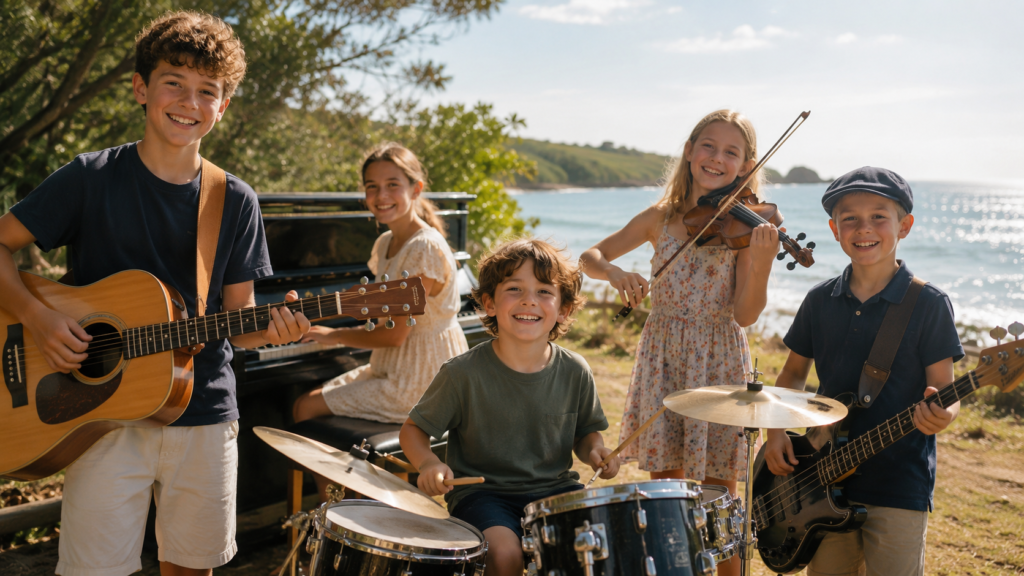
Music lessons for kids are one of the best gifts you can give your child. It builds confidence, develops concentration, and opens up a whole new world of creativity. But like anything worth learning, the journey isn’t always smooth sailing.
At GS Music Lessons here in Noosa, we’ve worked with hundreds of young students across the Sunshine Coast — and we’ve seen the same stumbling blocks come up again and again. The good news? They’re all completely avoidable.
Here are the seven most common mistakes kids make when learning music, and what you as a parent can do to help.
1. Skipping Practice Between Lessons
This is by far the most common issue we see. A weekly lesson is just the starting point — real progress happens at home. When kids skip daily practice, they spend each lesson re-learning what they already covered instead of moving forward.
What to do: Aim for short, consistent sessions rather than one long cram before the lesson. Even 10–15 minutes a day makes a huge difference for younger children. Build it into the daily routine, like brushing teeth — just with more fun.
2. Rushing Through Pieces Too Quickly
Kids naturally want to play fast — it feels exciting! But learning a piece at full speed before the fingers and brain are ready leads to sloppy technique and ingrained bad habits that are hard to undo later.
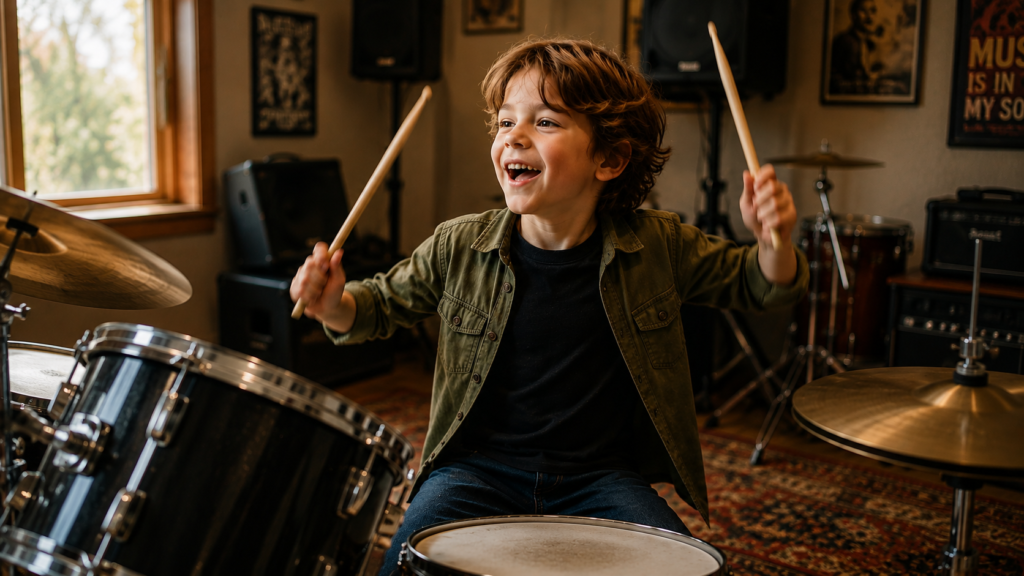
What to do: Encourage your child to slow things down. A piece played slowly and correctly is worth far more than one played fast and messily. Remind them that even their favourite musicians started slowly.
3. Ignoring Posture and Hand Position
Poor posture and bad hand position might seem like minor issues at first, but they can cause discomfort, limit progress, and even lead to injury over time. Many kids slouch over the keyboard, hold the drumsticks incorrectly, or tense their shoulders without realising.
What to do: Trust your teacher’s guidance here and gently reinforce it at home. If your child is practising and you notice them hunching or gripping too tightly, a simple, calm reminder goes a long way.
4. Only Playing What They Already Know
It’s tempting to keep playing the one song that sounds great — and it’s great for confidence! But sticking only to familiar pieces means a child stops challenging themselves and progress stalls.
What to do: Celebrate the songs they know well, but also encourage them to spend time on the newer, trickier material their teacher has assigned. The harder stuff is where the real growth happens.
5. Not Counting or Using a Rhythm
Rhythm is the foundation of all music, and it’s one of the first things to suffer when a child is concentrating hard on notes or chords. Playing without counting leads to uneven timing that becomes harder to fix the longer it’s left.
What to do: Encourage your child to count out loud or tap their foot while they practice. Better yet, ask their teacher about using a simple metronome — it’s one of the most underrated practice tools for young learners.
6. Giving Up During the “Boring Middle”
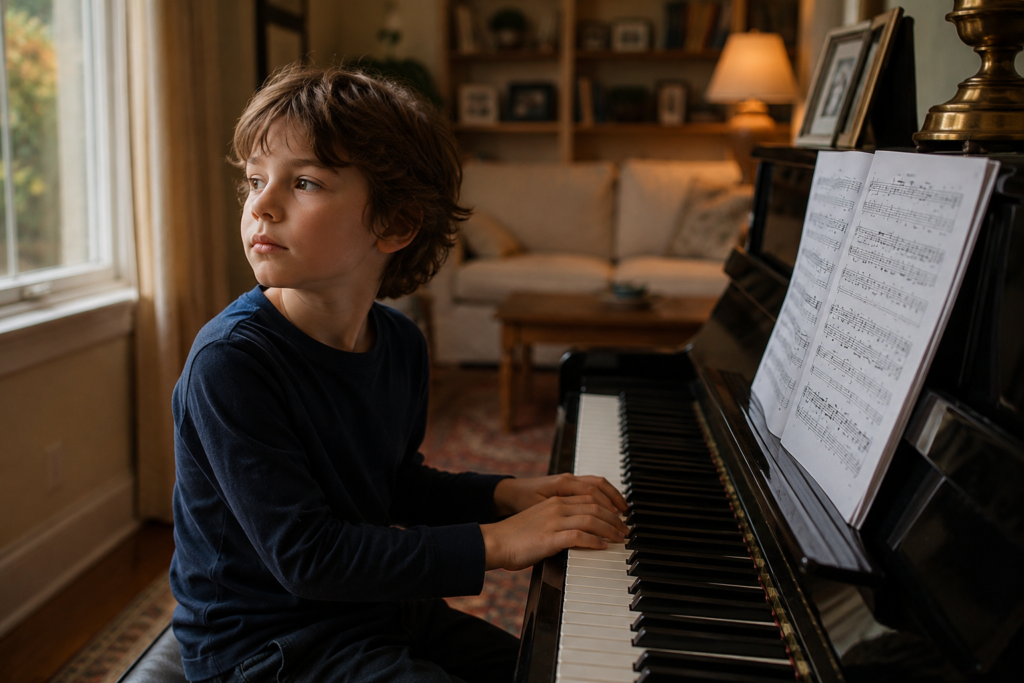
Most kids start lessons full of enthusiasm, and that energy is wonderful. But there’s often a dip a few months in — sometimes called the “boring middle” — where the initial excitement fades and progress feels slow. This is the moment many children (and parents) consider quitting.
What to do: This is normal, and it passes! Talk to your child about how learning anything takes time. Set small, fun goals — like learning their favourite song, or playing for grandparents at Christmas. Sometimes a short performance goal is all it takes to reignite the spark.
7. Practising Mistakes Over and Over
Repetition is powerful in music — which means repeatedly practising a mistake simply makes that mistake more automatic. Many kids will run through a piece from start to finish, mistakes and all, without stopping to fix the tricky spots.
What to do: Encourage your child to pause when they make an error and repeat just that small section slowly and correctly several times before moving on. It feels slower, but it leads to much faster real progress.
A Note for Parents
Your support at home makes an enormous difference — even if you don’t play an instrument yourself. You don’t need to know music theory to help your child. Simply showing interest, creating space and time for practice, and celebrating their progress (however small) is often all it takes.
If you’re ever unsure how your child is going or have questions about how to support their learning at home, don’t hesitate to have a chat with their teacher. At GS Music Lessons, we’re always happy to give parents practical, friendly advice.
Ready to Start the Journey?
Whether your child is a complete beginner or has had a few lessons elsewhere, we’d love to welcome them to GS Music Lessons in Noosa. Our lessons are relaxed, tailored, and genuinely fun — because we believe a happy student is a learning student.
GS Music Lessons is based in Noosa on the Sunshine Coast, offering guitar, drums, piano, and violin lessons for kids and adults of all ages.